PROJECT LAUNCH: THE SURVIVAL CHALLENGE 4th GRADE (PBL UNIT 1 2025 / 2026)
Overview:
Driving Question:
¿How do living things use their special structures to survive and thrive in the world around them?
Purpose of the Project:
To help students understand how structures and functions support survival in living things by researching real organisms, analyzing new environments, and designing innovative adaptations that demonstrate scientific thinking and creativity.
Objectives of the Project:
- Understand how structures and functions help organisms survive.
- Design and model evidence-based adaptations for new environments.
- Communicate scientific reasoning through prototypes and presentations.
Project Launch: The Survival Challenge
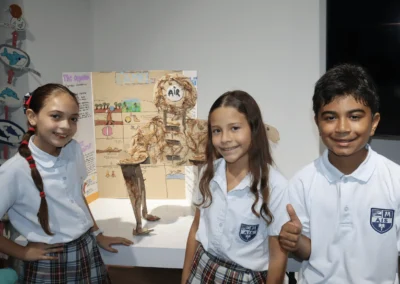
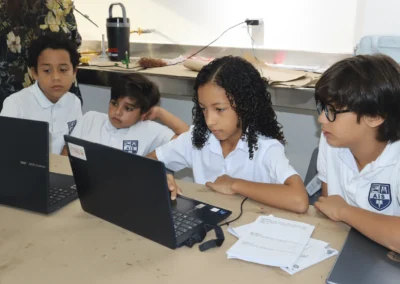
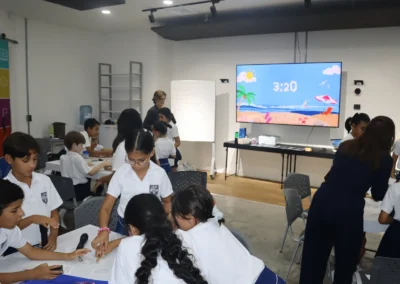
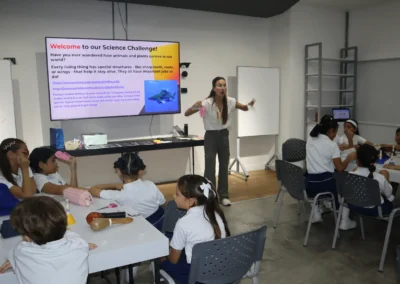
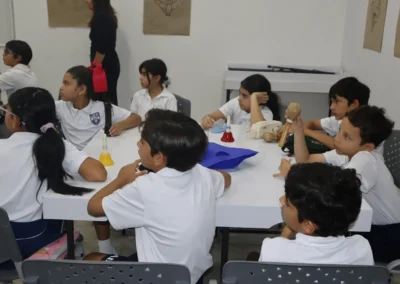
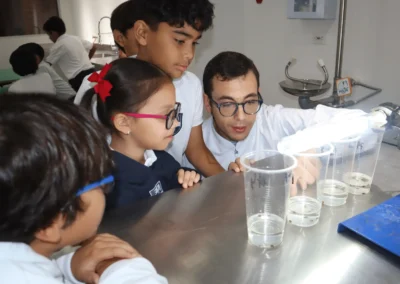
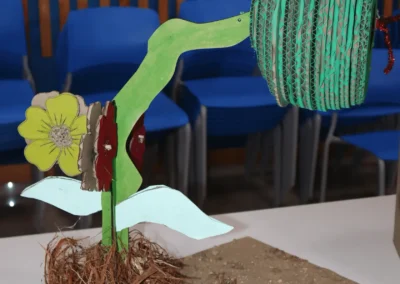
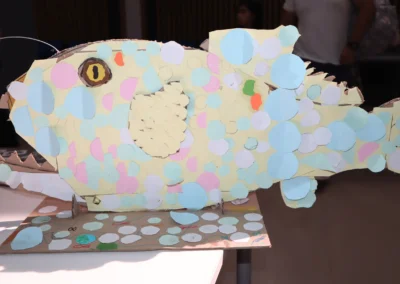
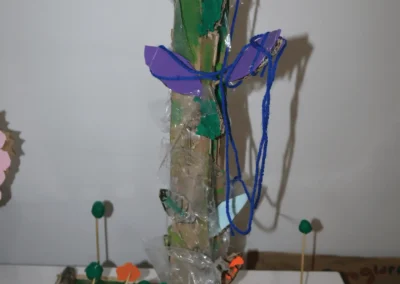
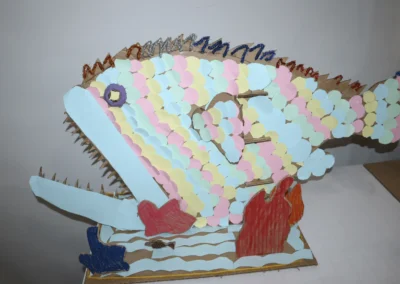
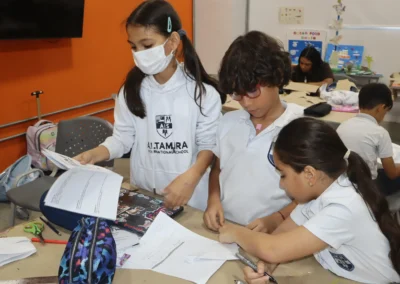
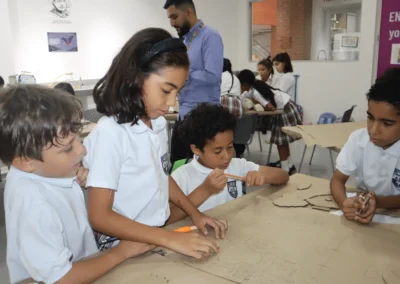
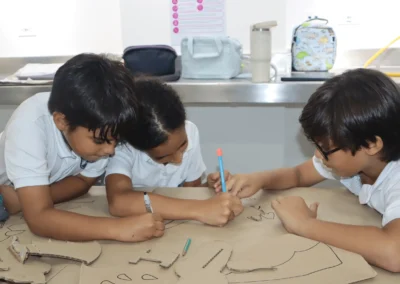
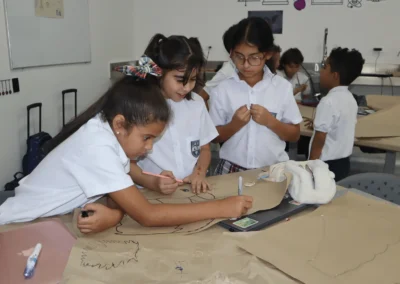
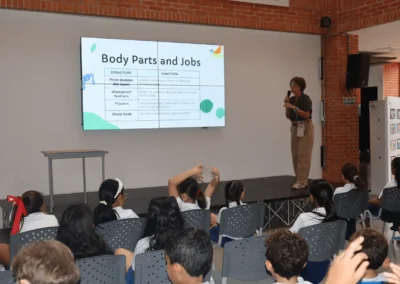
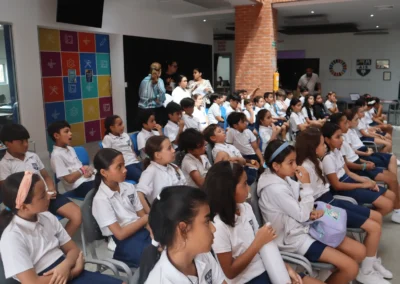
This week, fourth graders kicked off an exciting new science project exploring how animals and plants survive in extreme environments. During our entry event, students investigated mystery objects representing survival structures from five fascinating organisms—including an anglerfish’s glowing lure, a bat’s echolocation, and a Venus flytrap’s snapping mechanism. Through hands-on exploration and team discussions, students discovered how special body parts (structures) help living things perform important jobs (functions) for survival. Over the coming weeks, students will dive deeper into these amazing adaptations, culminating in Week 6 when they’ll design and build their own prototype models showing how these survival structures work. We look forward to sharing their creative solutions at our exhibition presentation!
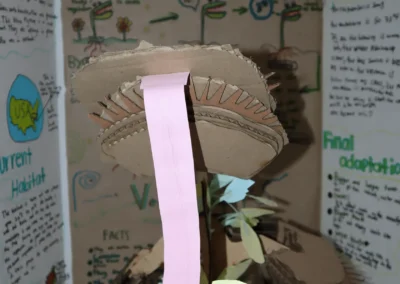
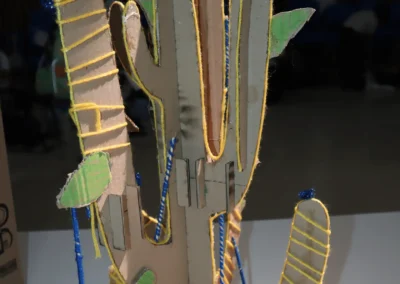
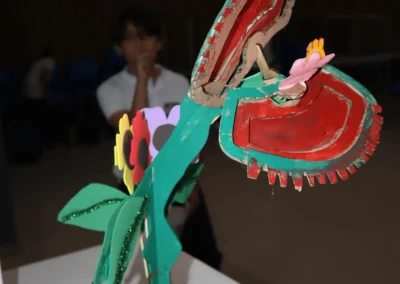


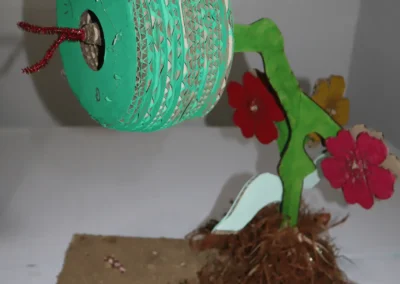

Culminating Product
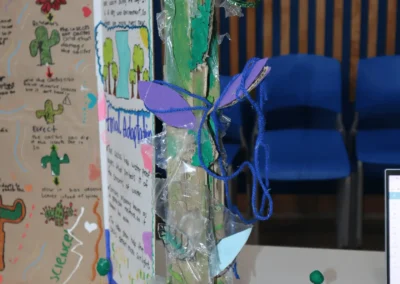
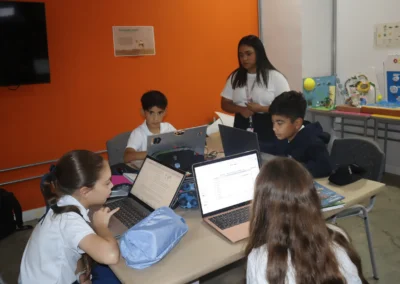
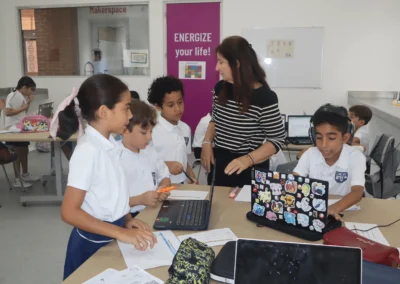
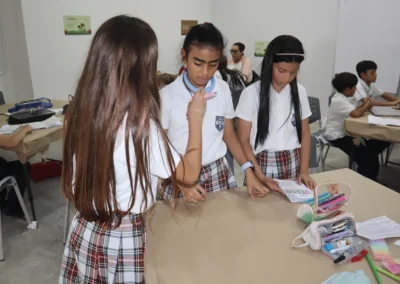
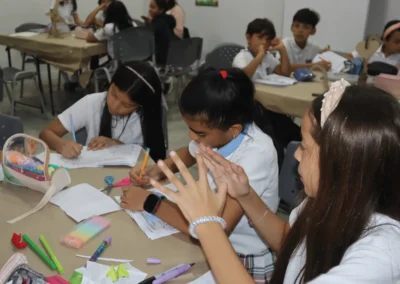
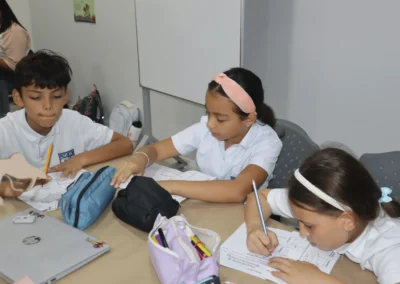
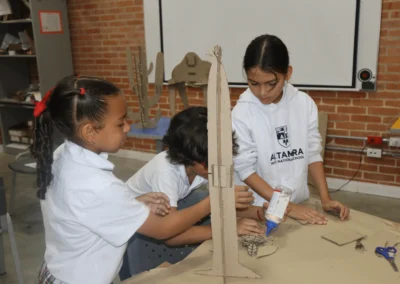
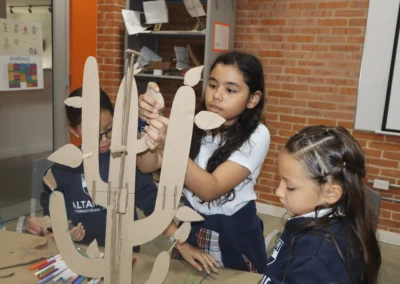
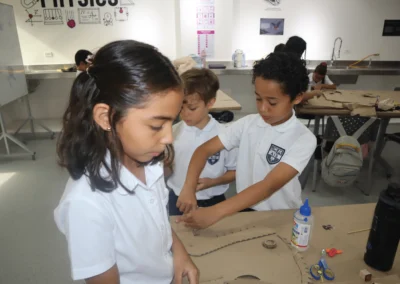
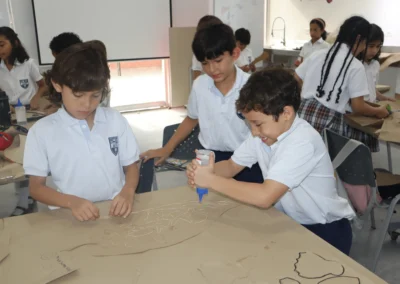
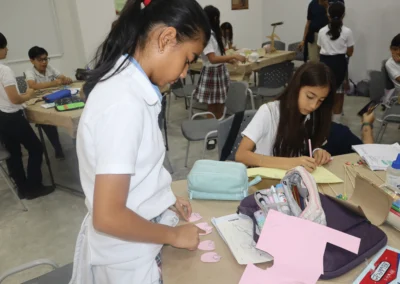
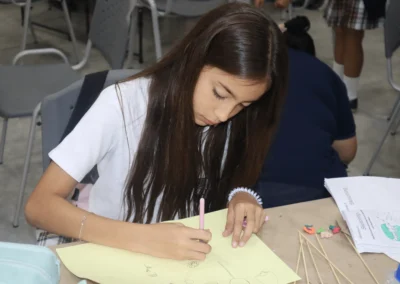
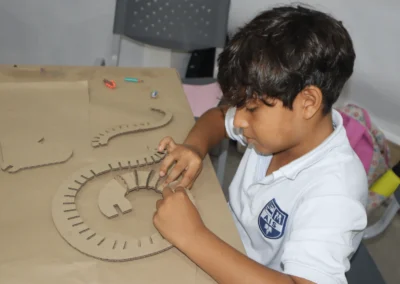
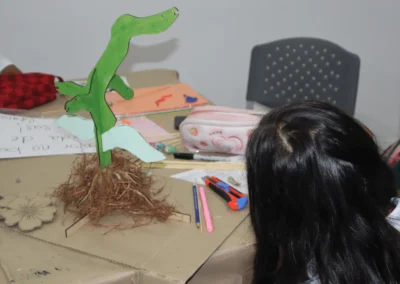
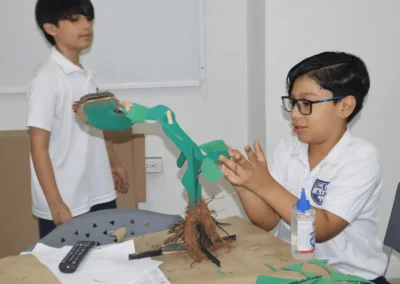
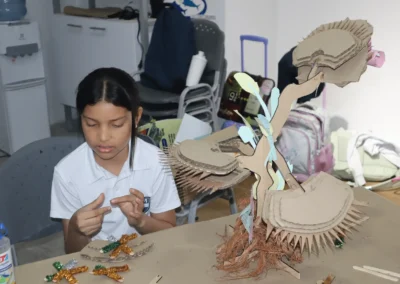
Students work in groups and had the option to choose which animal or plant and structure they wanted to work with. The options they had were:
- Anglerfish
- Rattle snake
- Bat
- Venus flytrap
- Camel
- Cactus
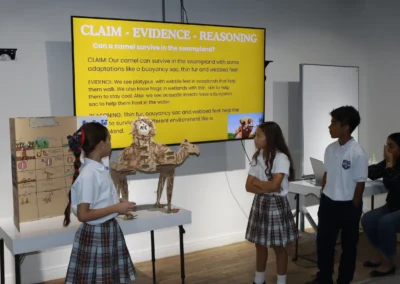
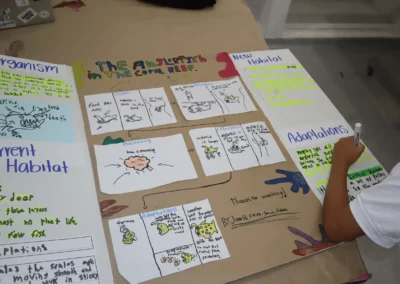
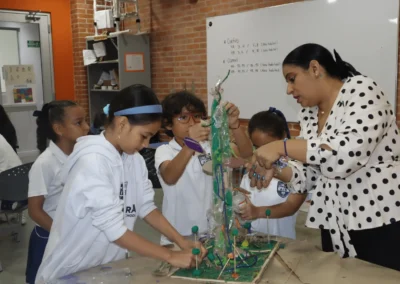
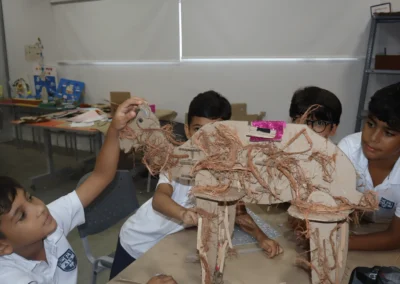
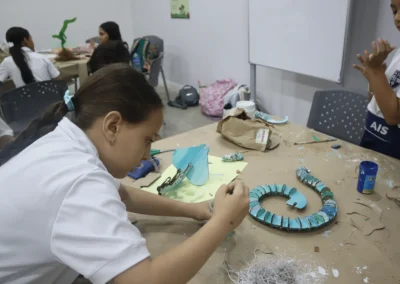
First, they had to become experts on their organism, structure and habitat. Then, they had to design a solution for their organism to survive and adapt to a new environment with a new structure.
Question for this week:
What special structures would a plant or animal need to survive in a shocking new environment, and how would those changes work?
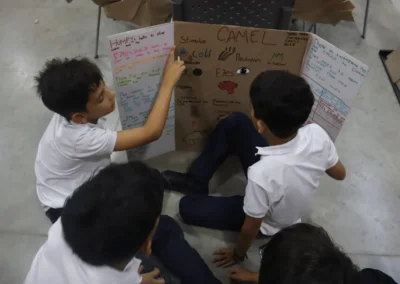
DAY 1: Building the Baseline How It Works Now
Objective: To construct a baseline understanding of an organism’s structure-function relationships within its native system using the integrated model.


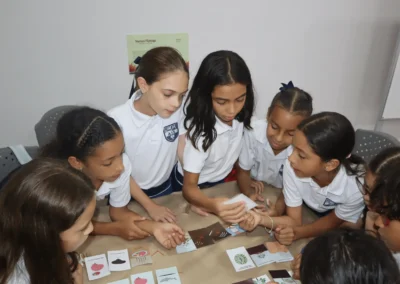
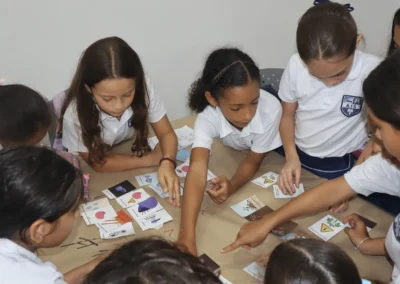
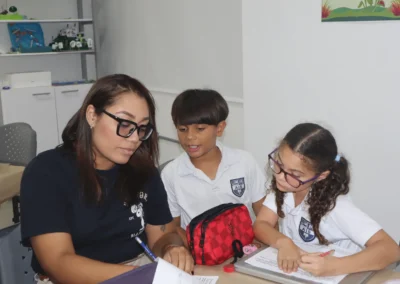
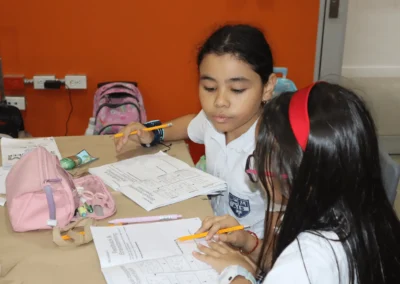
DAY 2: The Environmental Shock – Identifying the Problem
Objective: To analyze a new environment through the lens of the systems model and identify specific survival challenges.
DAY 3: Modeling Relationships & Interactions
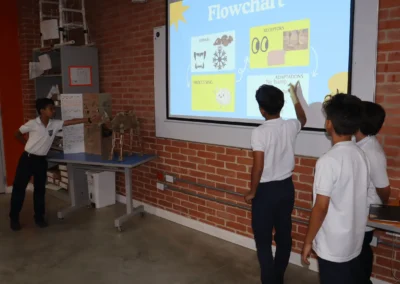
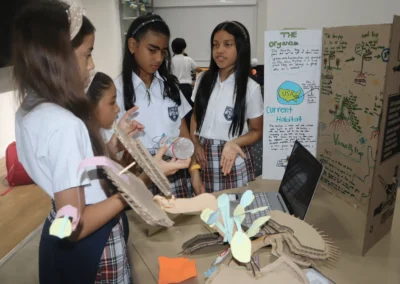
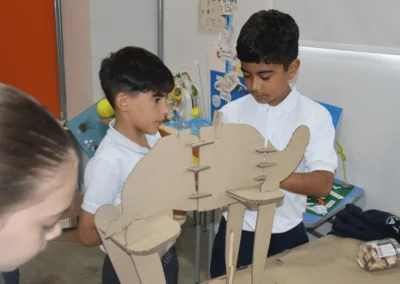
Objective: To design adaptations and model how they would integrate into the organism’s system to solve the identified challenges.
DAY 4: Testing and Argumentation – Making the Case
Objective: To strengthen the argument for their adaptations by testing their logic and refining their explanation.
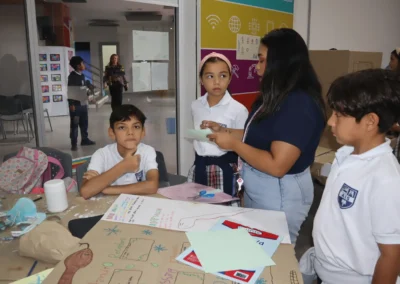
DAY 5: Exhibition & Sense-Making – Explaining the Why
Objective: To communicate the scientific argument behind their designs, using the systems model as evidence.