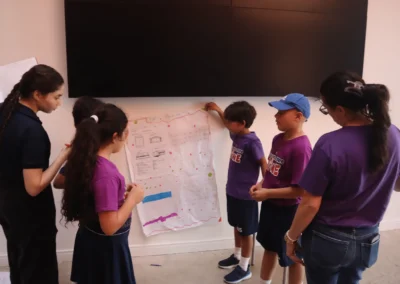
When Rain Becomes Our Teacher: The Grade 3 Flood Solutions Adventure 3rd Grade (PBL Unit 2 2025 / 2026)
Overview:
Driving Question:
Purpose of the Project:
Objectives of the Project:
Apply the engineering design process to create, test, and improve rainwater solutions.
Communicate and justify their designs using data, observations, and scientific reasoning.
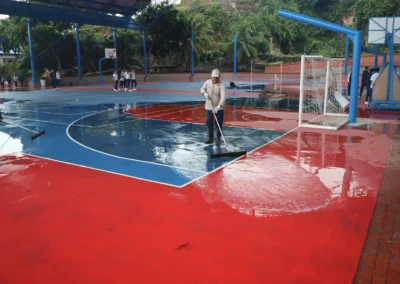
But instead of complaints, we heard curiosity. “Why does the water stay there?” “Could we fix this?” “What if we could be the ones to solve it?”
And that’s when our Grade 3 engineers were born.
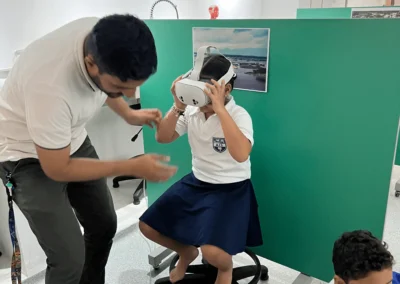
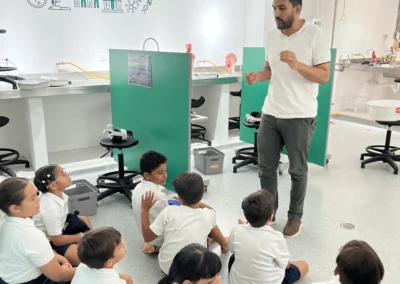
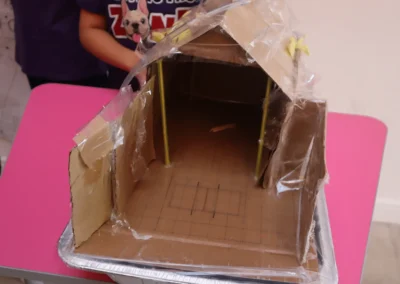
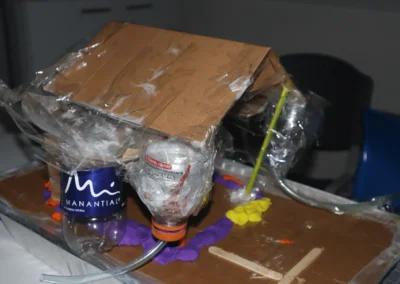
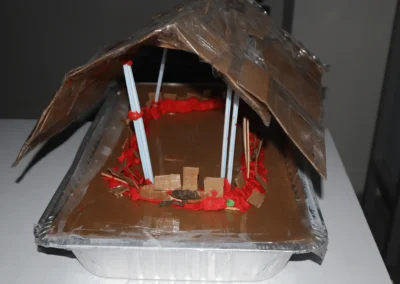
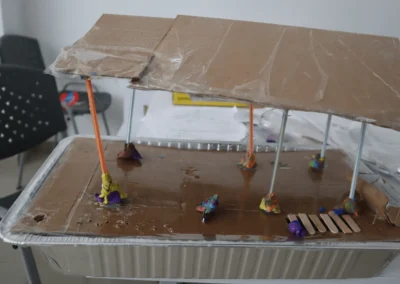
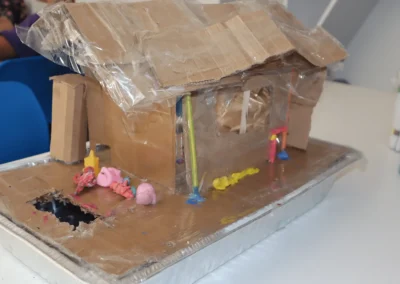
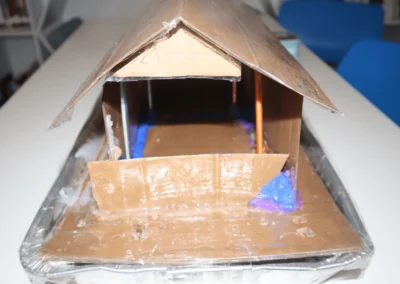
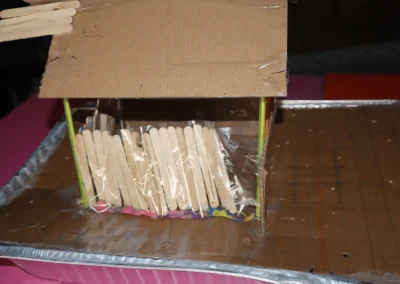
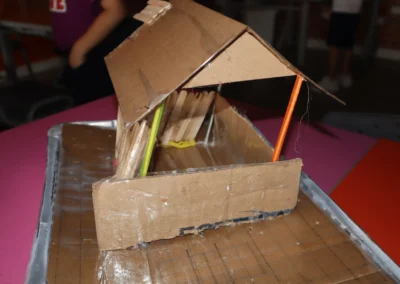
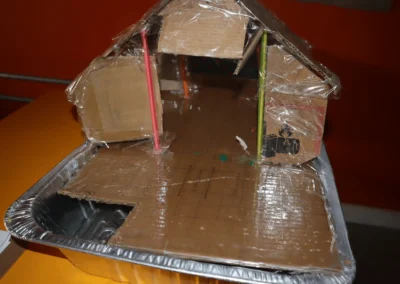
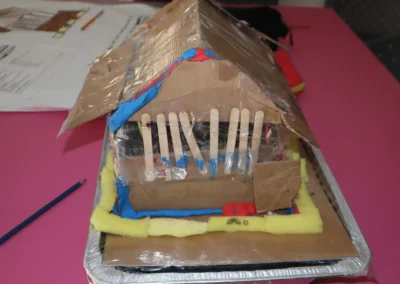
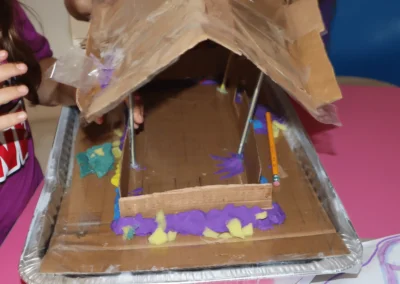
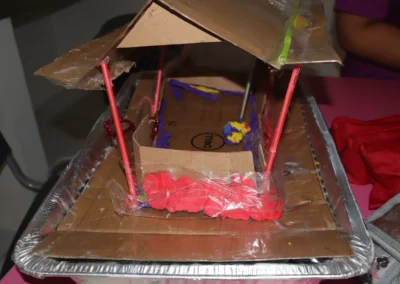
Culminating Product
Recorded/written explanation that:
Predicts and explains how a change (a single variable: e.g., drought, loss of decomposers, or excess nutrients) affects energy flow and the cycling of matter.
Proposes a realistic solution (who implements it, basic steps).
Question for this week:
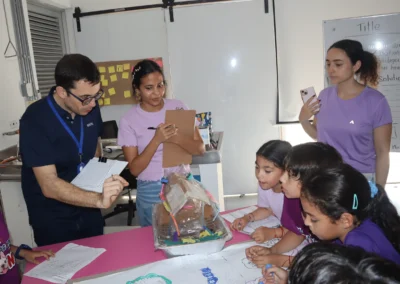
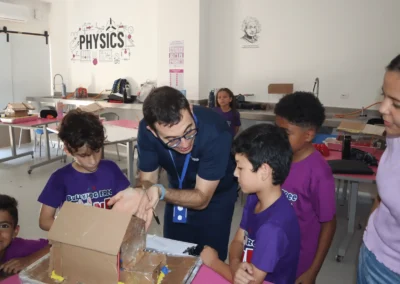
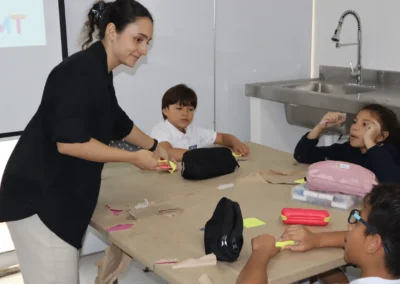
Back in the Innovation Center, the real magic began.
“Today, you’re not students – you’re engineers with a real problem to solve,” we told them. Their eyes lit up.
The First Discovery: Not All Roofs Are Equal
“It’s like a slide for water!” shouted Sofia, and suddenly everyone understood: angle is everything.
The Great Wall Experiment
Santiago’s team learned the hard way – a beautiful tall wall means nothing if water can sneak underneath. María’s group discovered that tiny gaps between clay sections became highways for water. But when Alejandro’s team created a continuous, sealed barrier, their house stayed perfectly dry.
“We’re like the real engineers who protect cities!” Valentina exclaimed. She wasn’t wrong.
The Sponge Olympics
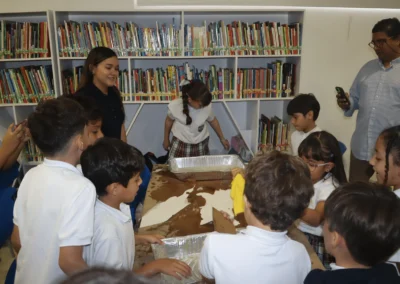
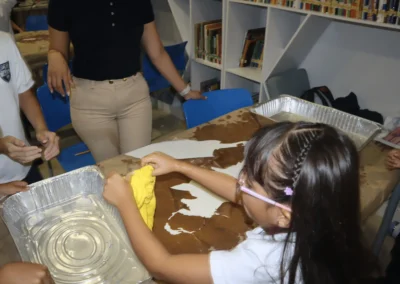
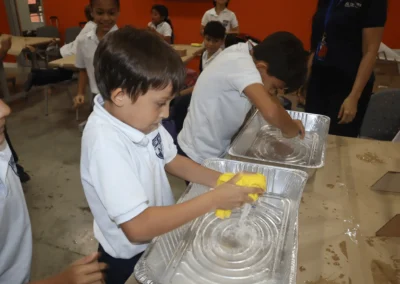
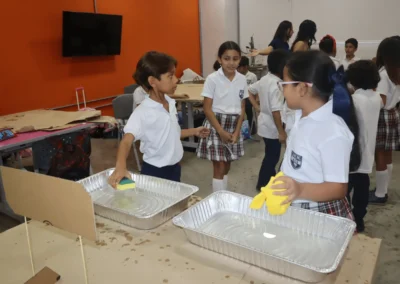
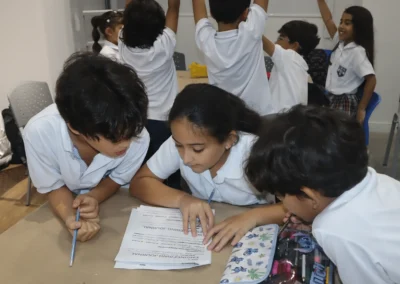
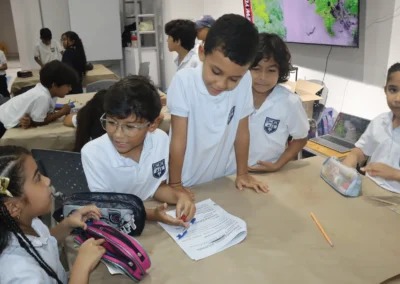
The gymnasium erupted in focused chaos as teams raced back and forth, testing sponges, cloth, and cotton. Daniel’s team started with cotton balls – disaster! More water on the floor than in the bucket. But the large sponges? “It’s like a water backpack!” Lucas announced, squeezing nearly a cup of water into the collection bucket.
Data doesn’t lie: Sponges moved 3x more water than cotton. Our engineers had discovered absorption science through sweat and laughter.
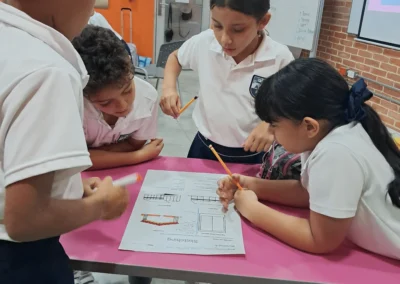
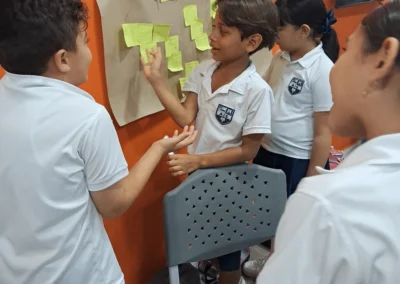
The Aqueduct Challenge: Making Water Go Where We Want
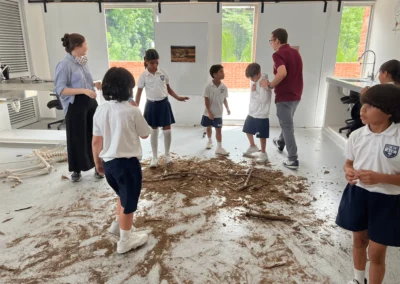
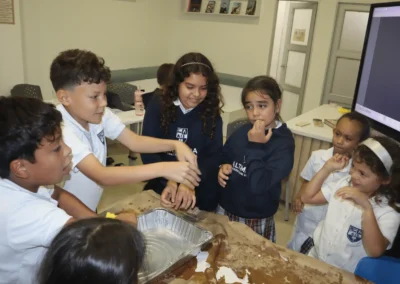
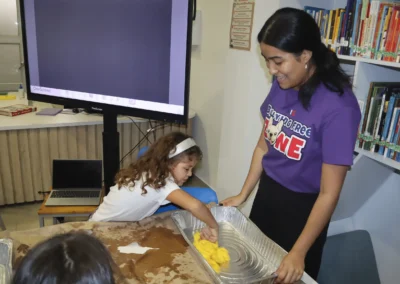
The challenge seemed impossible: move water from a pitcher on a high table to a bucket on the floor, using only tubes and determination. But our engineers were ready.
Emma’s team created elegant curves. Carlos’s group built a spiral system that looked like art. Ana’s team failed three times before discovering the critical truth: without enough slope, water simply refuses to move.
“Water is lazy!” Tomás declared. “We have to make it want to go downhill!”
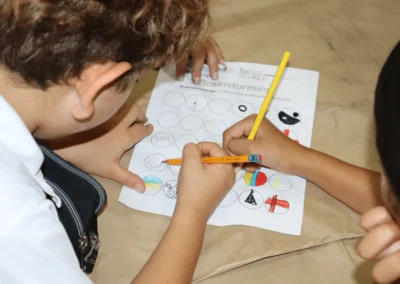
The Design Storm
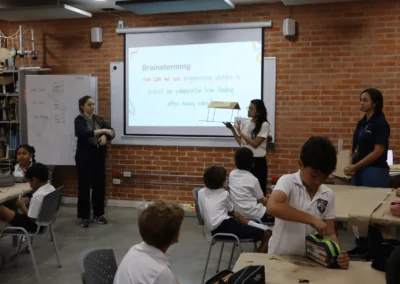
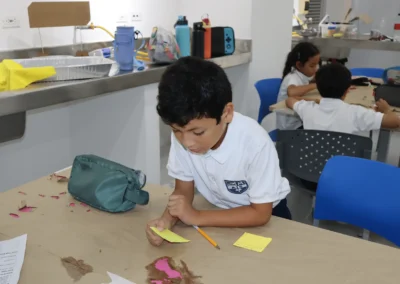
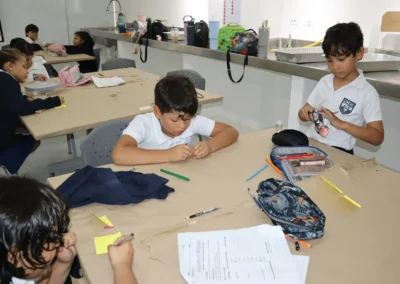
The Innovation Center became a storm of creativity:
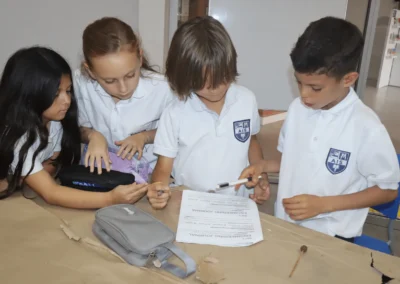
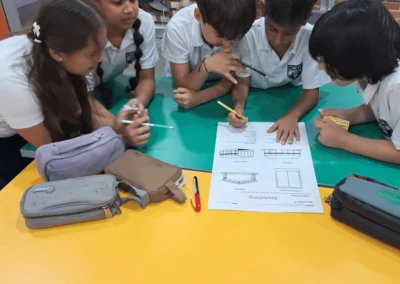
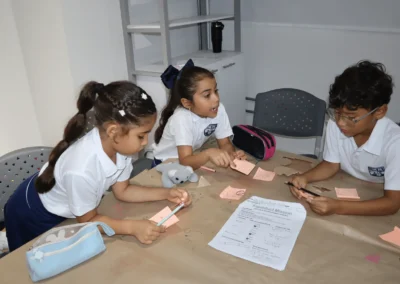
Four designs per team. 10 minutes each. No idea too wild.
By afternoon, each team had selected their best concept. Not the coolest. Not the biggest. The one their experiments proved would actually work.
Day 2 Lesson: Great engineers dream big, then build what works.
Morning: The Great Construction
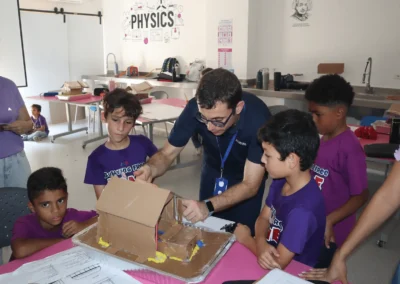
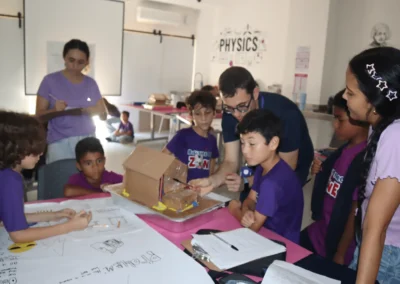
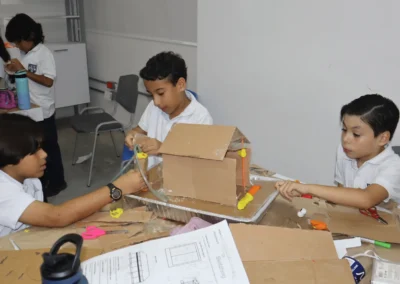
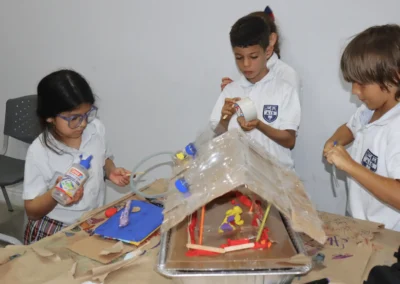
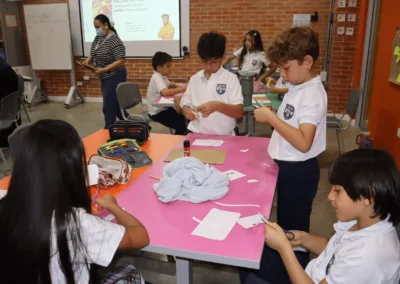
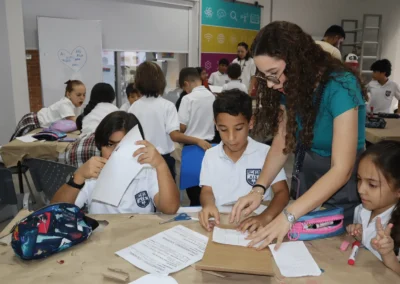
Each team received their assigned zone and attacked it with purpose.
Andrés’s team, tackling the Column Edge, built angled deflectors from plastic sheets. “We’re giving the water a path to follow instead of fighting it!”
Paula’s Perimeter Drain team created a filter system using sponges and gravel. “Clean water drains faster,” she explained like a veteran engineer.
The Low Corner team, led by Roberto, built an ambitious combination: barriers to redirect, channels to guide, and absorption materials to handle overflow.
Afternoon: The First Test of Truth
David’s “perfect” wall had a tiny gap – water found it immediately. Sarah’s drainage system worked beautifully… until it overflowed. Nicole’s absorption zone became saturated in seconds.
But here’s where our engineers shined: no tears, no giving up. Just observation, notes, and determination.
“Failure is data!” became the afternoon’s motto.
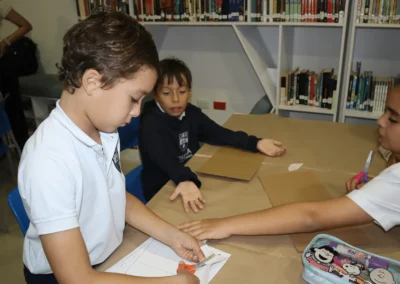
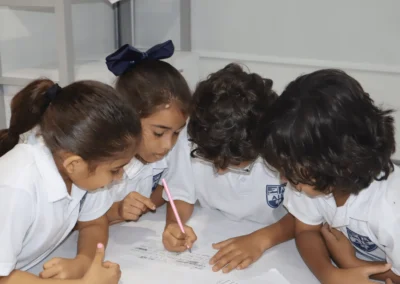
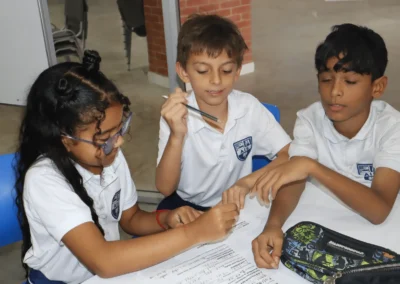
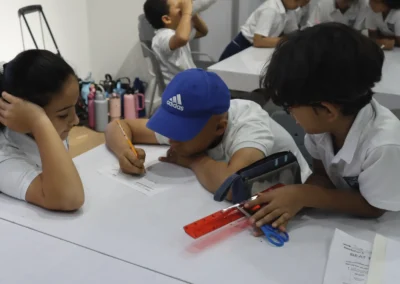
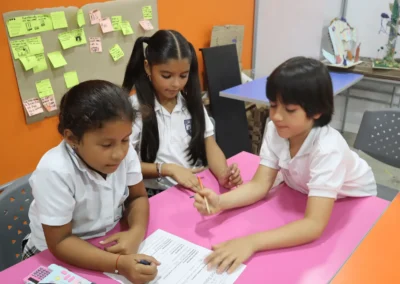
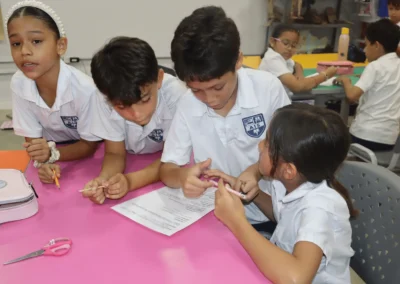
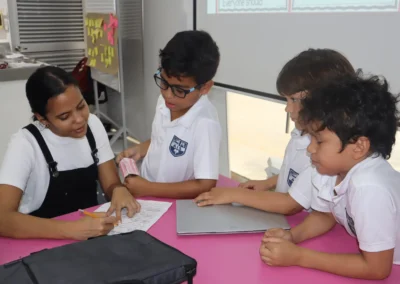
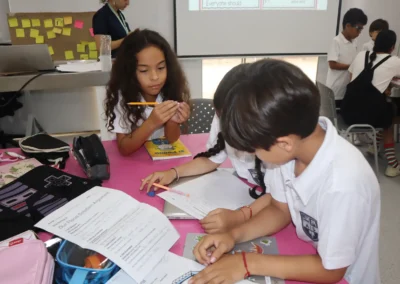
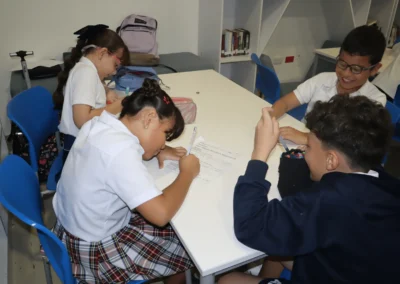
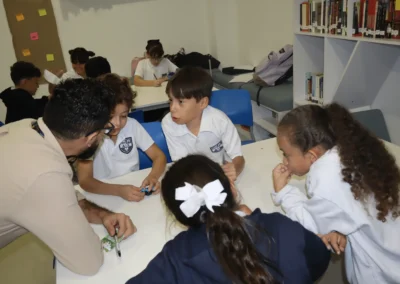
Morning: The Phoenix Rises
Isabella’s team added something unexpected: a tiny garden area where excess water could be useful, not problematic. “Why waste the water when plants need it?”
The Test That Counted
When Martín’s team achieved 89% water redirection (up from 34% in Test 1), the celebration could be heard across campus.
Afternoon: Building the Case
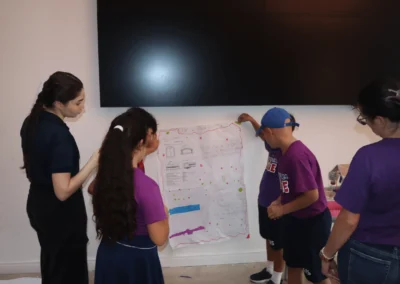
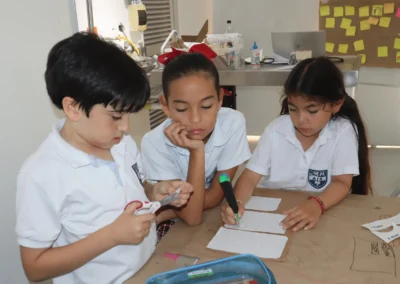
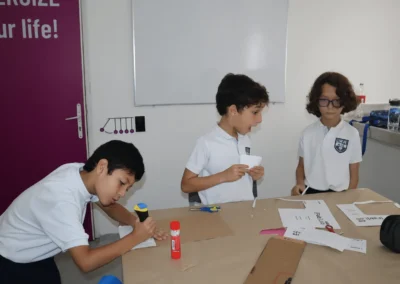
Enter the CER method – Claim, Evidence, Reasoning. Our third graders became scientists:
Claim: “Our angled barrier system effectively prevents playground flooding.” Evidence: “Test data shows 15 square meters stayed completely dry, compared to only 3 square meters without our system.” Reasoning: “This works because water follows gravity, and our angles guide it away from play areas into absorption zones.”
Professional engineers couldn’t have said it better.
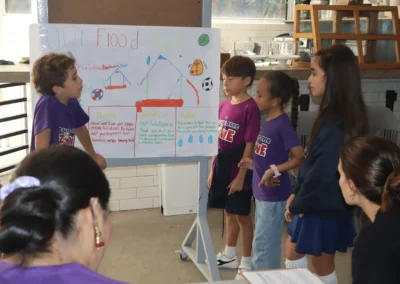
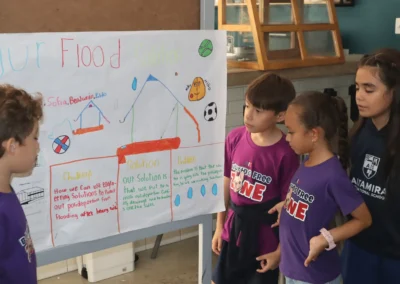
The Presentations That Amazed
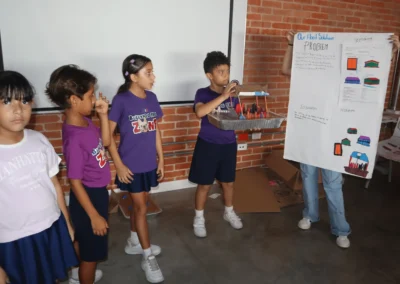
Santiago’s team demonstrated their solution live, pouring water while explaining each component’s purpose. Parents filmed in amazement.
María’s group created a before-and-after visualization that made the problem and solution crystal clear.
Lucas’s team turned their presentation into a news report: “Breaking news from the Innovation Center: Third graders have solved the playground flooding crisis!”
The Unexpected Moment
“I understand how water thinks now,” she said. “So I can tell it where to go.”
Her mother cried. Her teacher beamed. Her teammates cheered.
The Real Victory
The roar of “YES!” from our engineers could be heard in the next building.